Build exceptional
digital experiences.
Scalable web applications and digital products designed for performance, growth, and user experience.
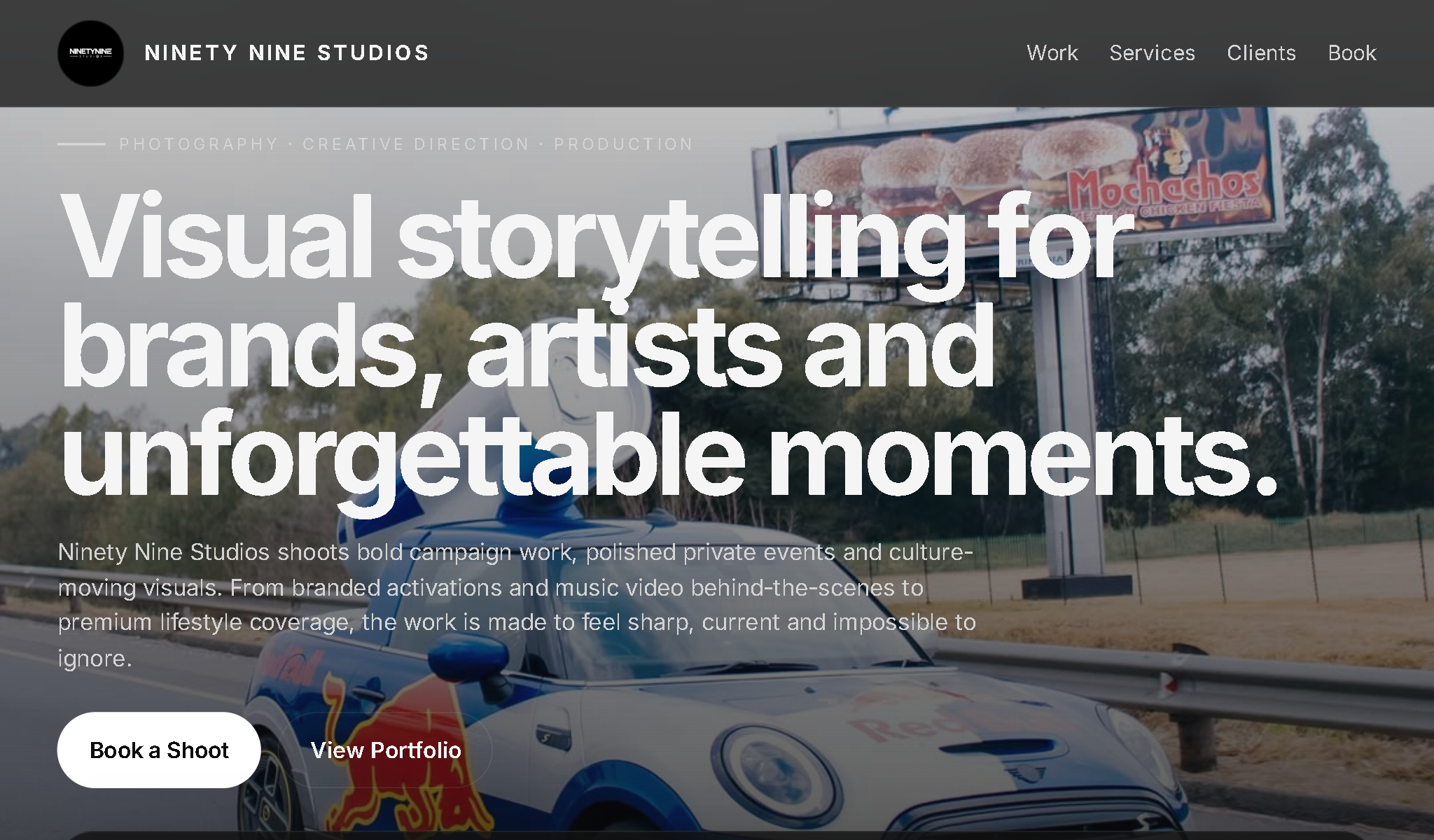
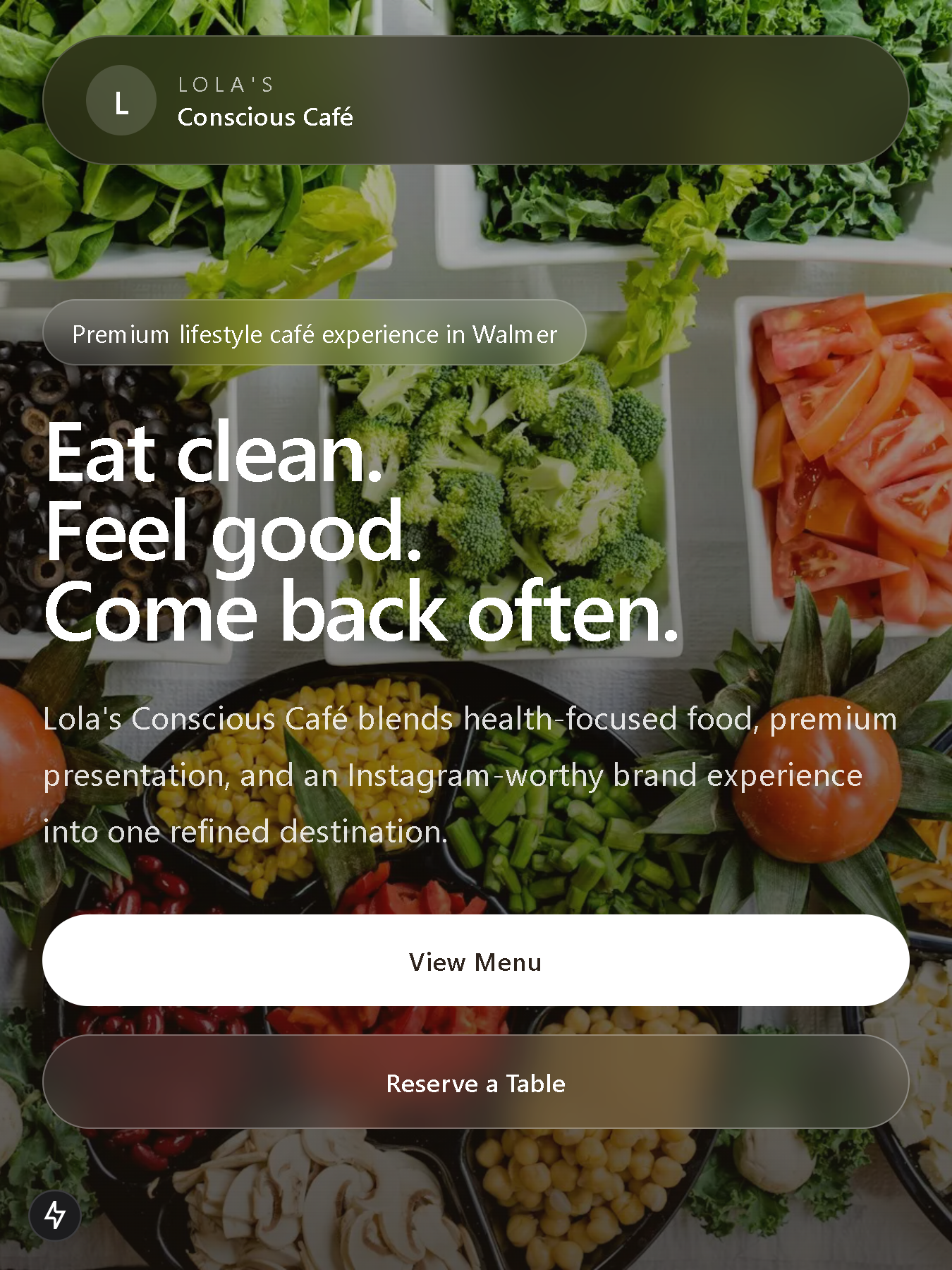
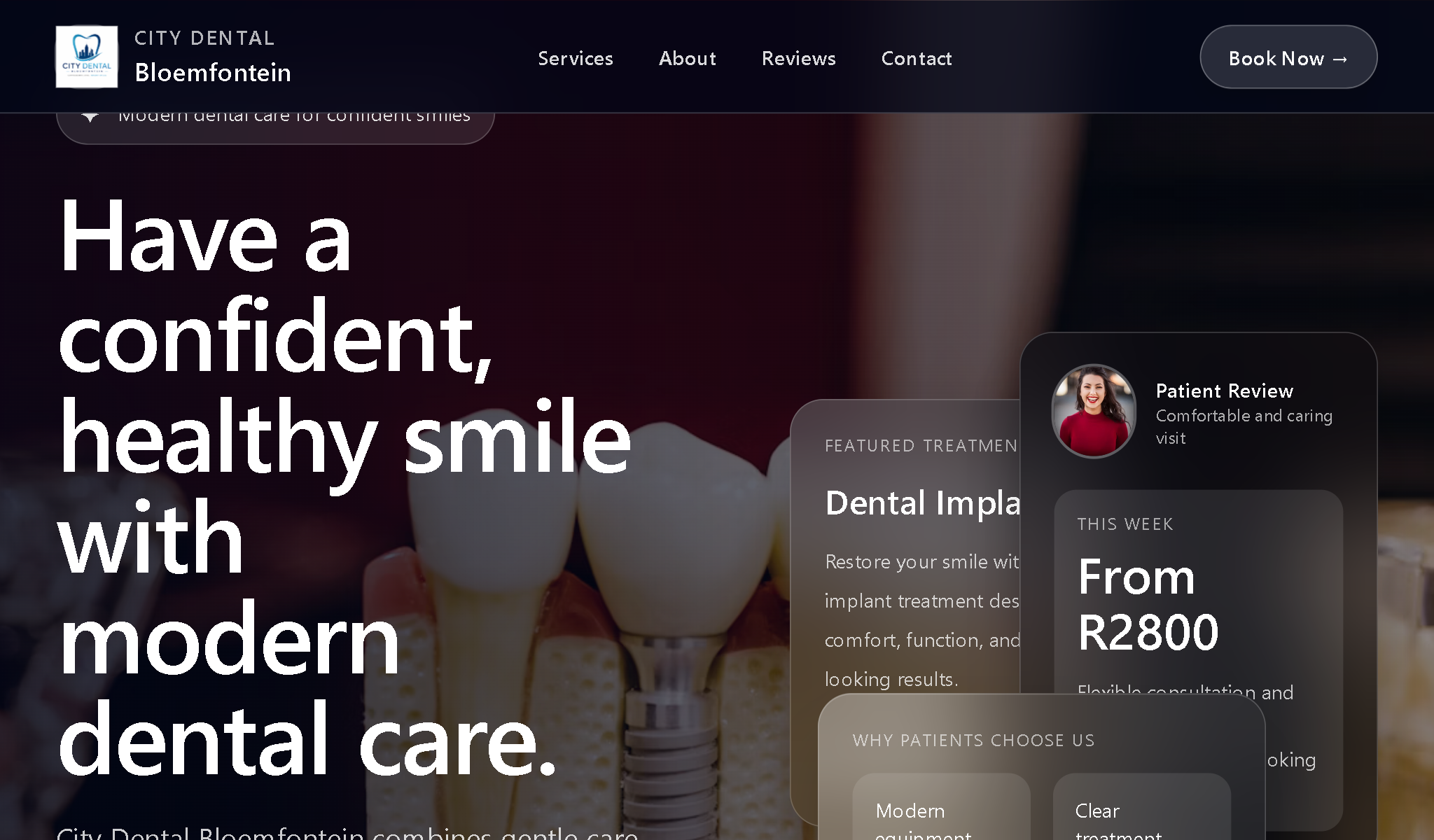
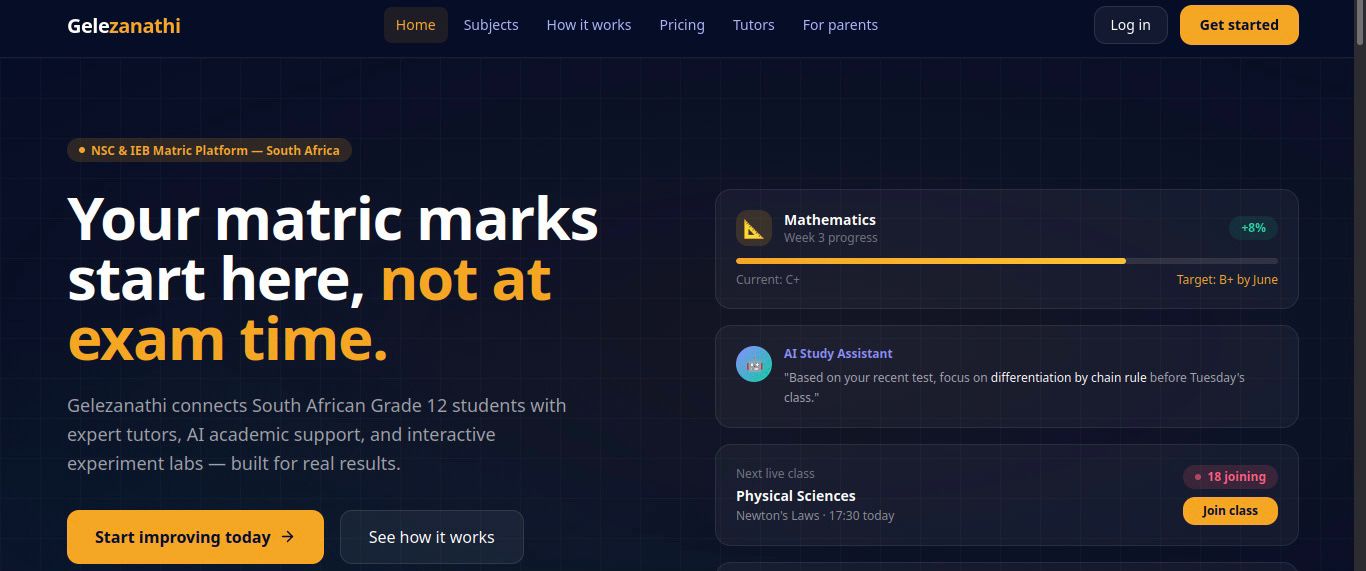
Website, application, and digital product work.
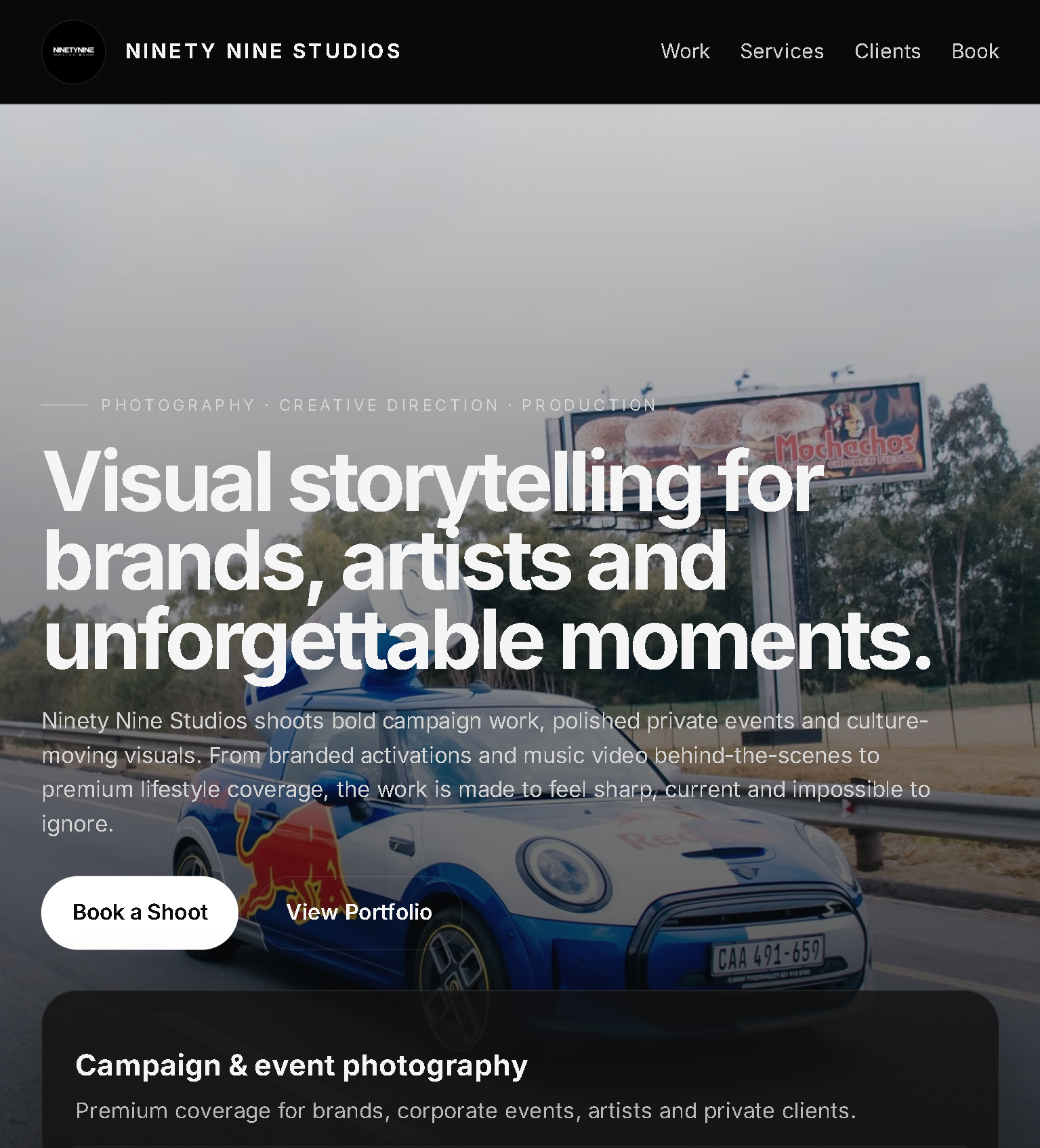
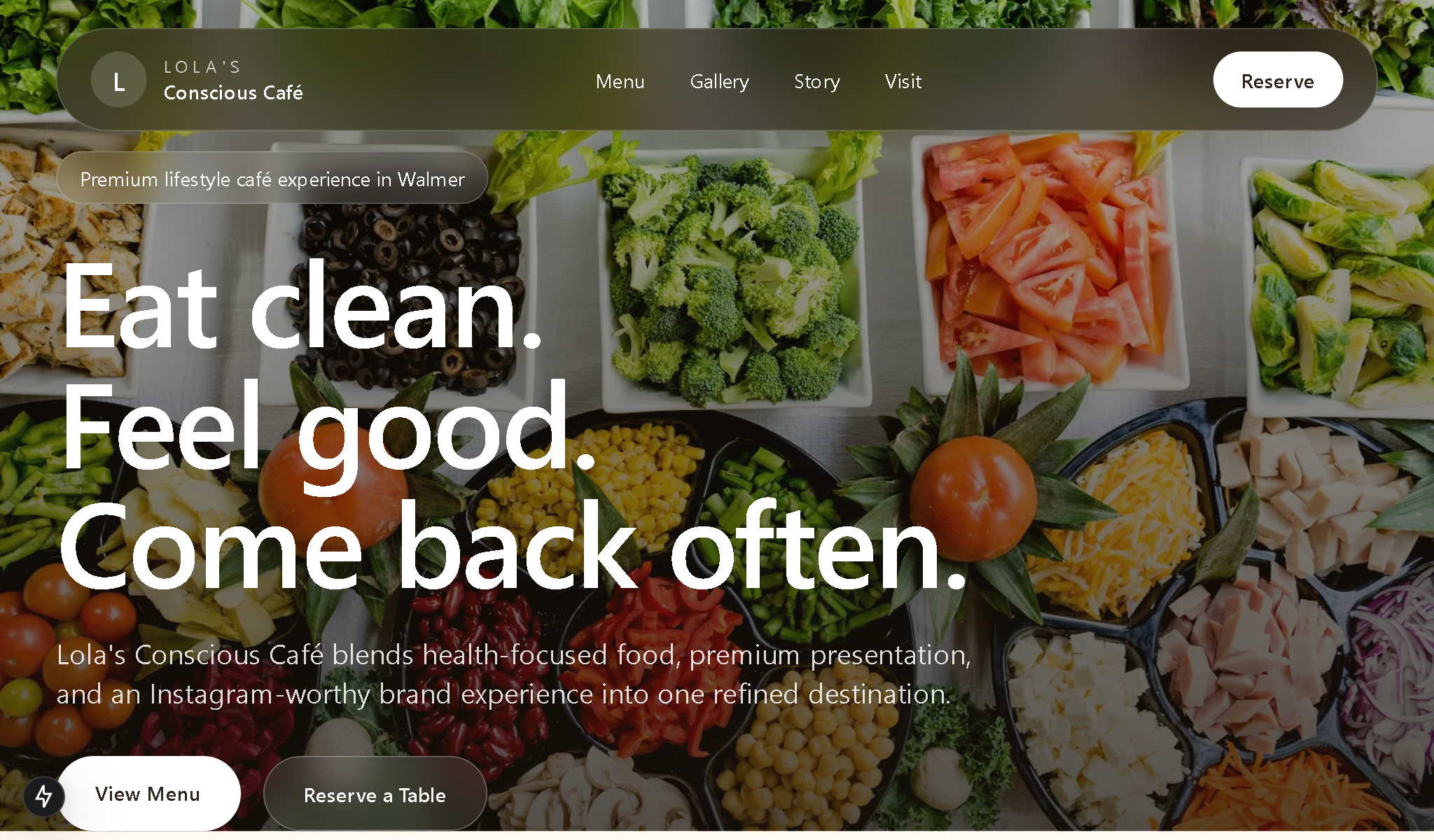
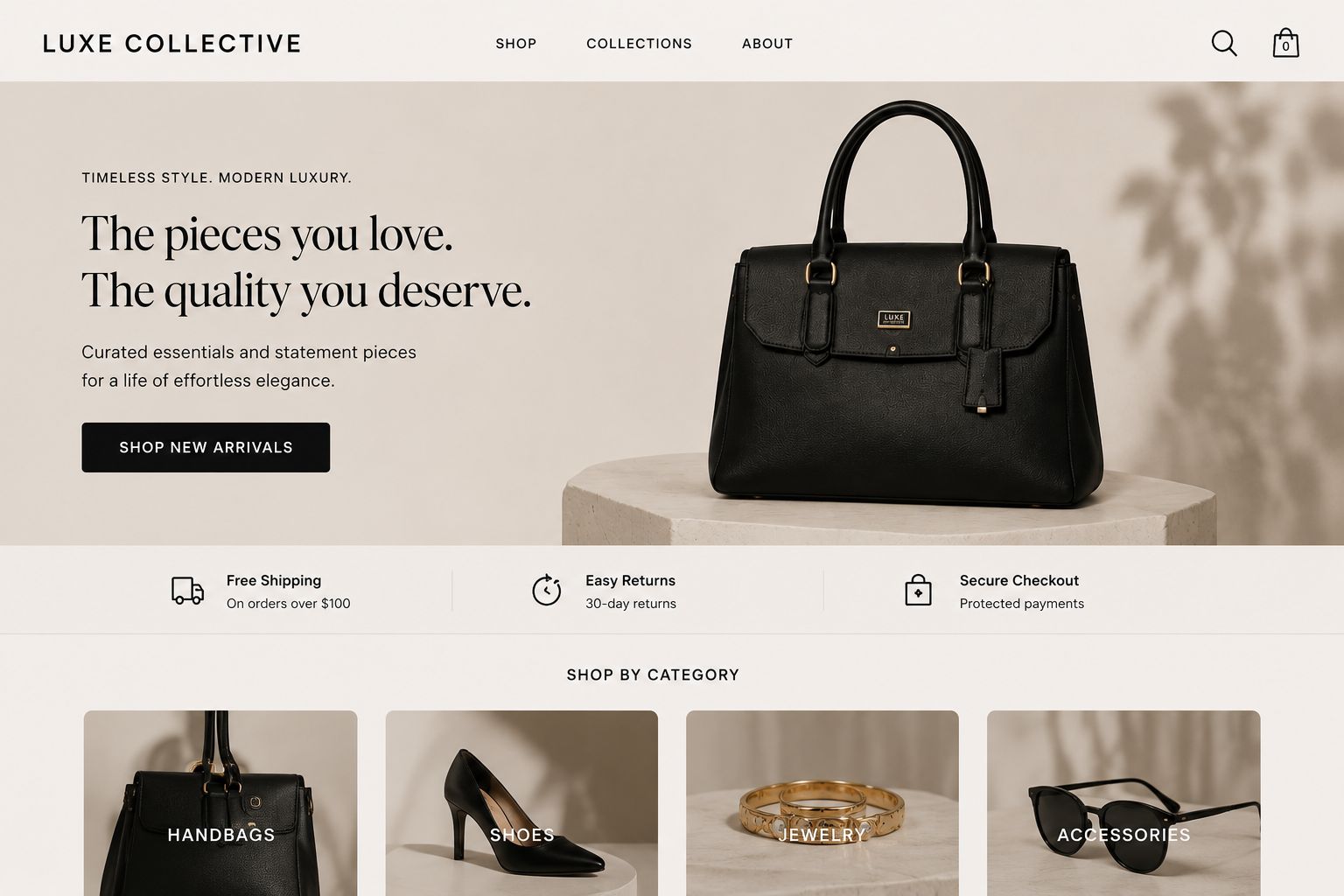
End-to-end digital product work.
Who we do it for.
Startups, scale-ups, and established businesses building for the web.
A focused process, start to finish.
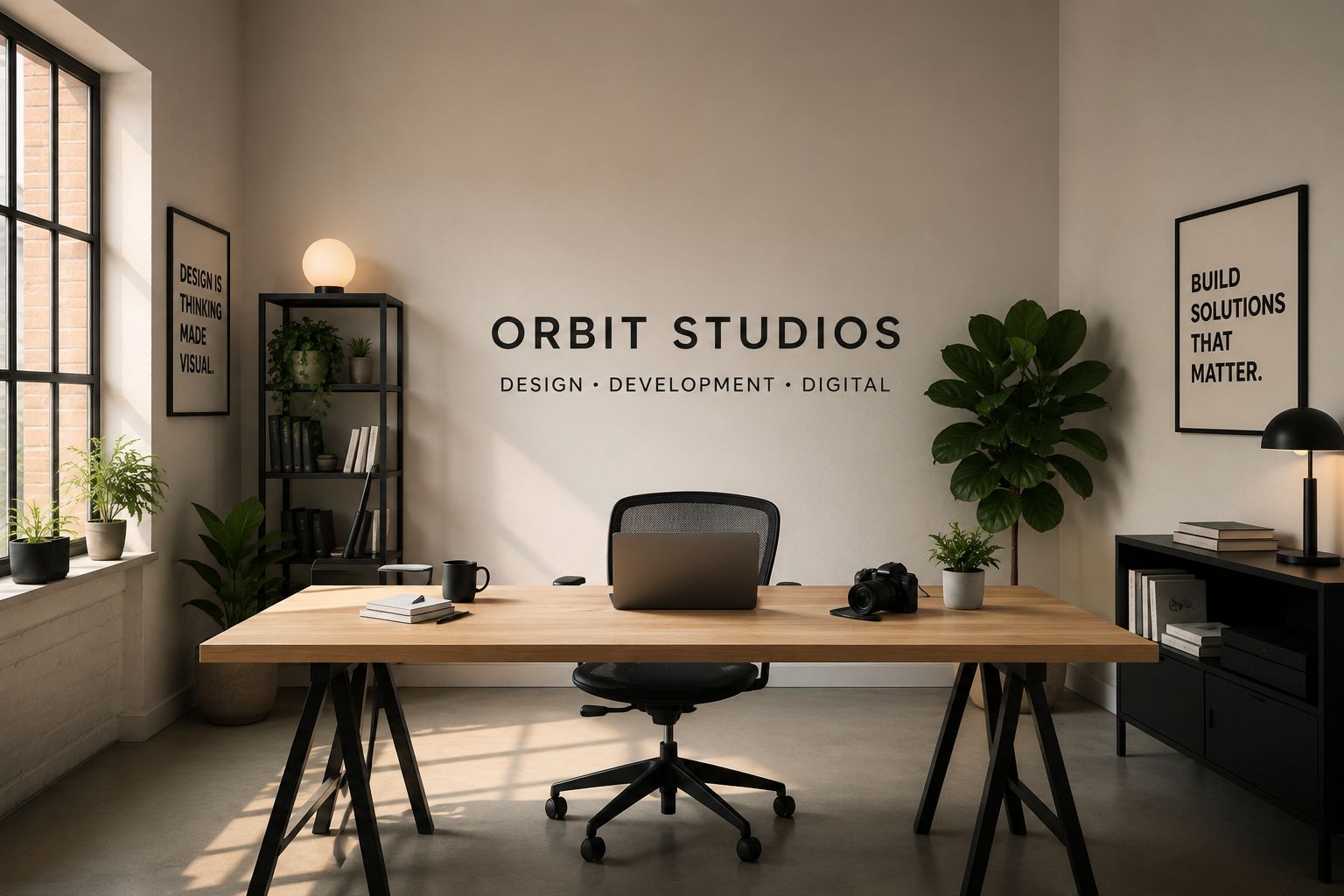
A Johannesburg studio building for the modern web.
Orbit Studios was founded on a simple belief: that great digital experiences are the result of rigorous craft, not templates. We're a small, focused team of designers and engineers who work closely with clients across South Africa and globally.
Every project we take on is treated as a long-term partnership. We build things that last, and we stick around to make sure they do.
Our storyWe look to maintain ongoing relationships.
Booking new projects.
Tell us about your project and we'll get back to you within 24 hours.